Best Home Gym Flooring for 2026: What Method Needed for Gym Floor Cleaning?
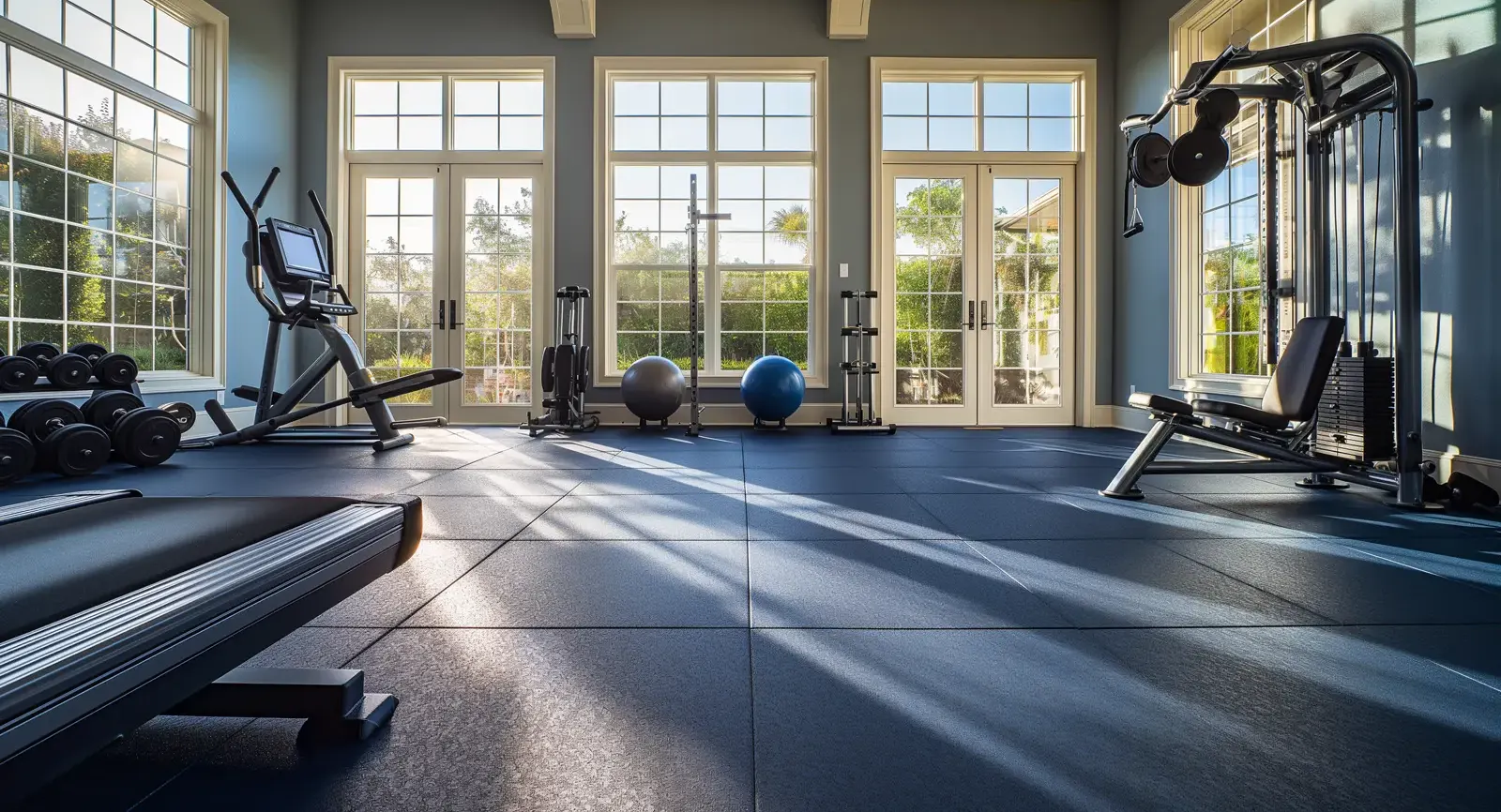 In recent years, building a home gym has become increasingly common. Every person wants a neat & secure place in their everyday workout. The type of flooring you opt for can have significant implications in terms of comfort, safety, and hygiene. A good home gym flooring will save your base from deterioration, cause less noise and enhance grip as well. On the other hand, the gym floor needs proper cleaning methods to keep it fresh. Bacteria, dust & sweat can accumulate very quickly. It is thus important for you to clean it regularly and to use the right flooring material. This guide will teach you how to select the best home gym flooring in 2026 and what cleaning methods keep your gym flooring safe and protected for a long time.
Why Home Gym Flooring Matters in 2026
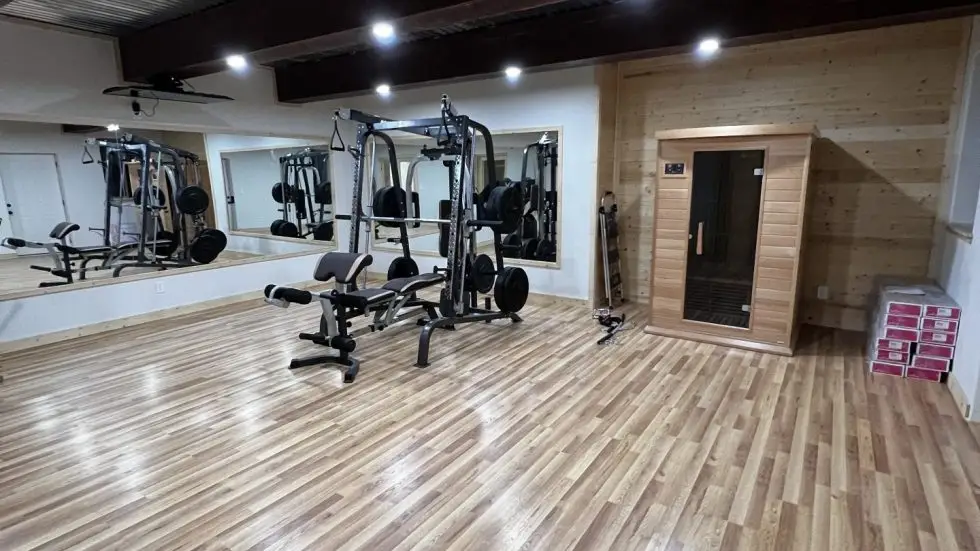
A home gym floor protects the base while offering additional benefits. It guards both the machinery and the ground underneath. When exercising with weights, the flooring absorbs pressure from high-impact events. Due to this, strong flooring prevents damage. Moreover, proper flooring makes workouts safer. A surface that is slippery or hard can injure a person. Alternatively, a good gym floor supports stability, grip & balance. It enables individuals to have a free range of motion while working out. Another reason is diminishing noises. Heavily weighted objects often produce loud sounds when they strike. Nonetheless, quality gym flooring absorbs shock and reduces noise. Thus, the rest of the house remains silent or quiet. In conclusion, modern gym flooring is easy to set up. Numerous fabrics deny moisture itself, along with sweat and dirt. As a result, cleaning becomes easy and fast.
Top Types of Home Gym Flooring for 2026
Not all flooring materials work well with every workout. The selection of the best exercise mat depends on your workout style, activities, & space.
Rubber Gym Flooring
The most popular home gym flooring remains rubber flooring. It is chosen by many because it is highly durable and offers shock absorption. Rubber floors easily accommodate heavy equipment. Damage to a surface is not quickly caused by dumbbells. Also, rubber gives a good grip. You can do strength training, cardio & functional workouts. Another benefit is comfort. Using rubber flooring reduces the pressure exerted on the knees and joints. Due to this, users experience lower pain during long exercises. Rubber floor cleaning is much easier. Most rubber mats are water & sweat-resistant. A simple wipe or mop will keep it clean.
Foam Gym Mats
Foam mats can be used for light workouts & stretching. Many beginners like foam flooring for its cushioned sensation. Foam surfaces are suitable for performing yoga, pilates & bodyweight workouts. The mat provides cushion for the body while on the floor. Foam flooring is not very suitable for heavy equipment. The surface may be damaged by sharp objects. So, foam mats are best for small home gyms with light exercise workouts.
Interlocking Gym Tiles
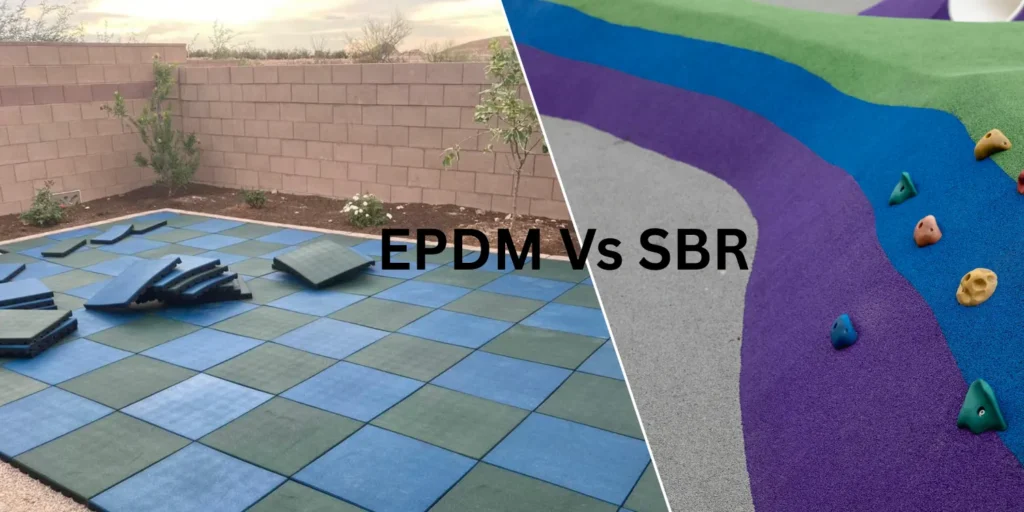
Interlocking tiles offer a flexible flooring solution. People can easily connect the tiles as if they were a puzzle. This design makes installation fast and easy. Tiles are available in rubber, foam, or PVC. You can also replace individual tiles if you damage. Another benefit is customization. Small or large gym spaces can be covered without cutting the material. Ultimately, interlocking tiles are a workable and inexpensive solution.
Vinyl Gym Flooring
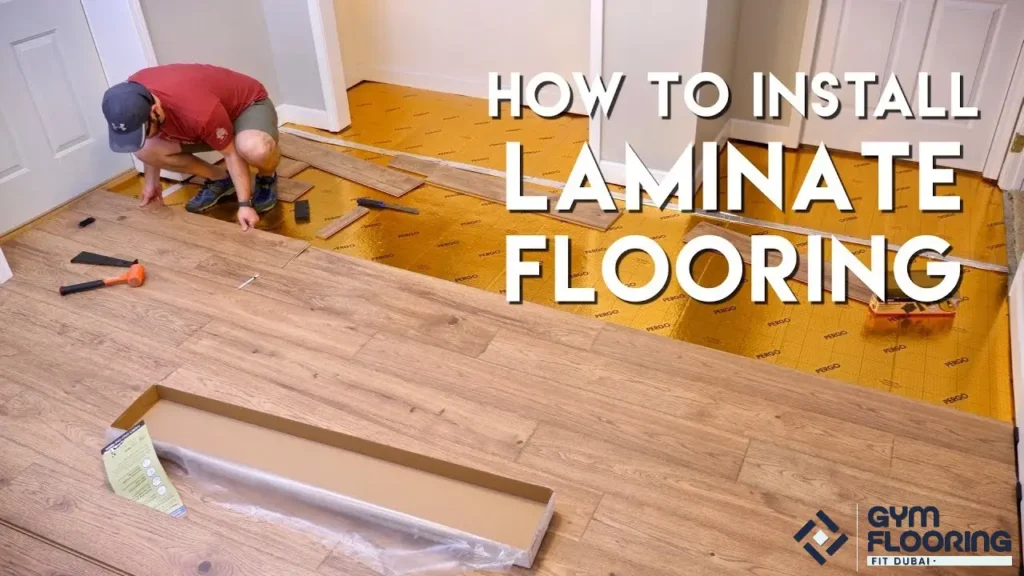
It works well in a multi-purpose home gym. It offers a surface for light to medium exercise activities. Because of its sleek look, vinyl is a choice for various homeowners. Vinyl flooring will not be ruined by moisture or spills. Cleaning a vinyl flooring does not require much time.The surface will be kept in a fresh condition by light and frequent sweeping and mopping. Heavyweights do not perform as well on vinyl floors as rubber flooring according to the manufacturer.
Key Features to Look for in Home Gym Flooring
It is vital to choose the right gym floor. Many essential features enhance safety and efficiency.
Shock Absorption
Weights are dropped in many workouts that involve jumping and lifting. As a result, shock must be absorbed by the floor. Rubber flooring offers the best impact protection. This protects the user and the floor below as well.
Slip Resistance
The priority in a home gym is safety. Moisture in sweat makes it slippery. But gym flooring with texture stops slips. Rubber, as well as textured vinyl, will provide great grip. Stability and balance are improved.
Durability
The flooring of your home gym should last for years. Not scratches, dent & heavy pressure won’t damage it. Durability is generally provided by rubber tiles and thick mats. Due to this, most home gyms prefer to use them.
Easy Maintenance
It should never be a painful chore to clean your house. Floors that resist sweat & moisture are simple to wash. Some styles have a vinyl surface for fast wipe-ups or mopping. It takes little effort to keep the gym clean.
What Method Needed for Gym Floor Cleaning?
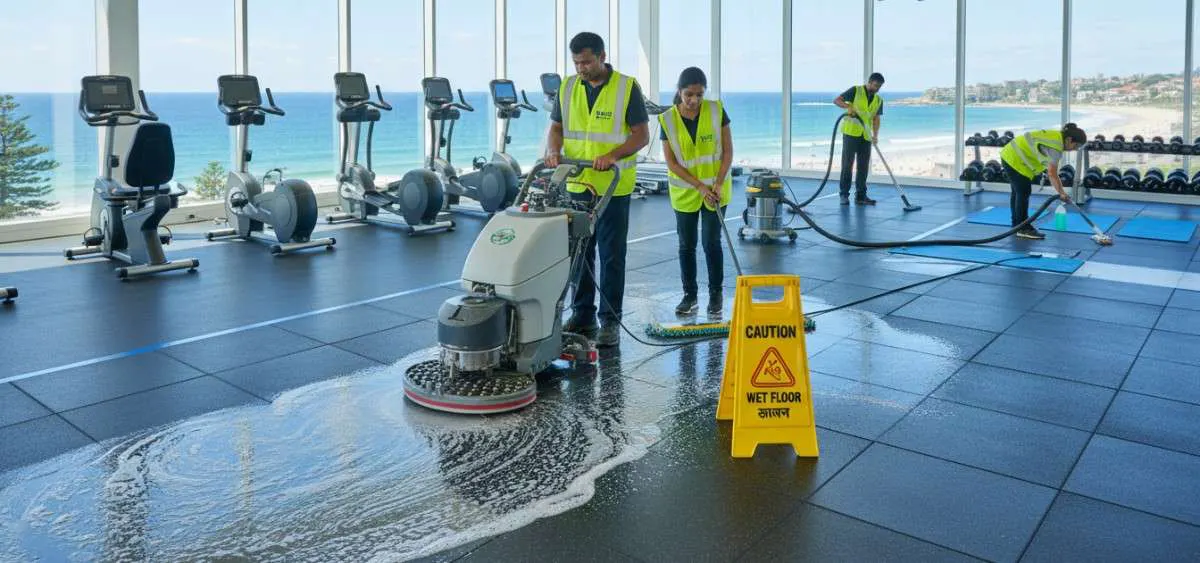 Workout activities contribute sweat, grime & bacteria on gym floors. If you regularly clean your floor, this will maintain your health and that of the floor. The best results will come from having a simple routine.
Daily Cleaning Routine
Every day the Gym Floor gets cleaned. Begin with sweeping & cleaning all the dirt of the gym floor. According to me, I can clean something with a vacuum cleaner or a broom. Next, take a damp microfiber mop to directly mop the floor. The warm water solution with a little amount of mild detergent completely takes out all the body sweat and faint stains. Let the floor dry once it finishes cleaning. You will not experience moisture formation or odour.
Weekly Deep Cleaning
Clean weekly. It helps get deeper dirt and bacteria out. Start by vacuuming the whole gym area. Do it carefully. Add a little floor cleaner to warm water. Avoid the use of abrasive chemicals. They can destroy your flooring. Use a mop or a soft cloth to wipe the surface and hit the spots around equipment where sweat collects. Dry the floor properly. More airflow will speed the drying.
Disinfecting Gym Floors
The gym has microbes that might cause serious illness. Therefore cleansing is necessary. Verify that the disinfectant is safe for your floors. Disperse it evenly across the entire floor. Then use a clean cloth or mop to wipe the floor. This keeps the gym hygienic & fresh.
Cleaning Tips for Different Gym Flooring Materials
Different kinds of flooring require different ways of cleaning. Grasping these dissimilarities protects the floor.
Rubber Flooring Cleaning Tips
Rubber floors should be cleaned softly. Strong chemicals can spoil the material. Warm water and mild soap usually work best. A sweat and dirt mop made of microfiber. Additionally, do not apply excessive water on the rubber flooring. Using minimal moisture works wonders, especially on the top coat.
Foam Mat Cleaning Tips
Unlike other materials, foam mats are more absorbent. So, swift sanitization becomes necessary. Clean the mats with wet cloth post workout To do a more thorough clean, remove the mats and scrub them gently with detergent. They must be completely dried then only they can go back to the gym.
Vinyl Floor Cleaning Tips
Vinyl floors are very waterproof. And for that, light mopping does the trick way better. Wash with warm water and gentle soap. Avoid scrubbing brushes that will cause scratches. Taking care of your vinyl flooring is one important aspect of maintaining it.
Common Gym Floor Cleaning Mistakes to Avoid
Numerous individuals damage their gym floor by cleaning it unknowingly. Some errors may actually help in extending the usage period of the floor. First and foremost, do not use any strong bleach or chemicals. These objects degrade the flooring materials over time. And, skip too much water. Excessive moisture can penetrate seams or edges. Do not forget about sweat accumulation. Salts and bacteria in sweat are harmful to the floor. Always dry the floor properly afterward. It stops mold from forming and bad odors from developing.
How Proper Maintenance Extends Gym Flooring Life
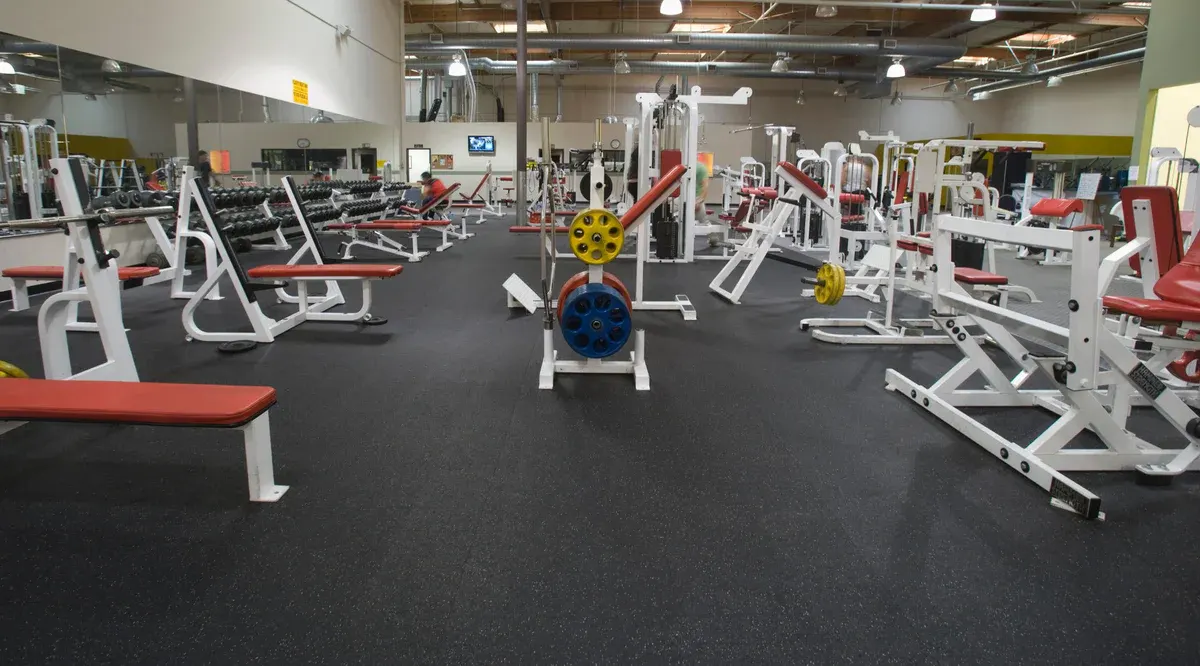 Scheduling maintenance protects your investment. With proper maintenance, a gym floor has longevity. Regular cleaning helps to prevent dust and sweat damage. Also, a weekly deep cleaner disinfects from bacteria as well as stains. Putting protective pads underneath heavy machinery also relieves the pressure on floors. This prevents the surface from becoming rough. This will also dry the gym well. Good air circulation stops moisture and smells from building up.
Conclusion
In selecting the ideal flooring for your home gym in 2026, make your choice wisely after giving it due consideration. Rubber, foam, vinyl, and interlocking tiles have their usage. One is not better than the other. Each has benefits and drawbacks of its own. The most permanent and safer alternative is rubber. In addition, proper application of gym floor janitorial services is a hygienic but also lasting solution. Clothes get stained with sweat and dust, deep cleaning helps to kill nasty germs. When homeowners combine durable flooring with regular upkeep, they create a safe and comfortable workout area. Consequently, workouts become much more enjoyable & the gym floor will be in good shape for years.
FAQs
Which flooring is best for a home Gym?
Most house gyms use rubber flooring for optimum results. It is highly durable, strongly gripable & shockproof for heavy workouts.
How frequently must I clean my gym floor?
Gently mop the gym floor after every workout. Make sure to perform a deep cleaning once a week to remove bacteria and sweat.
Are regular floor cleaners suitable for gym flooring?
Utilize only gentle cleaners. Strong chemicals can damage rubber, foam, or vinyl flooring.
How do I get rid of perspiration stains on gym floors?
Use warm water and mild soap to wipe the floor. Sweat stains can easily be cleaned using a microfiber mop.
Is gym flooring effective at noise reduction?
Definitely, flooring made of thick rubber or foam absorbs vibrations and noise from weights and equipment.