The Home Gym vs. Garage Gym Flooring Debate | Which Should You Choose?
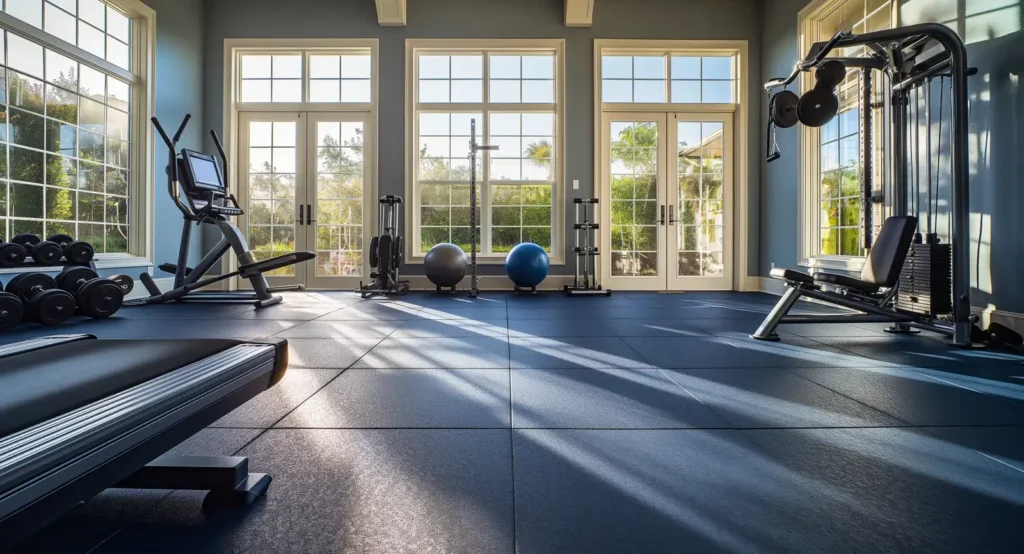
It is very common to build a gym at home. People want comfort and a flexible workout. This is the main reason behind building a gym. People often forget about gym flooring. The right gym flooring is really important. It saves the floor, makes it safer, lowers noise, and feels comfortable. Many users find it hard to choose between home and garage gym flooring. They are actually different. Both types of flooring have their benefits and styles. Home gym flooring is for a modern indoor gym room. On the other hand, garage gym flooring is for a strong setup for heavy training, in a garage. In this guide, we will explain everything in very easy wording so you can choose the right gym floor.
What Is Home Gym Flooring?
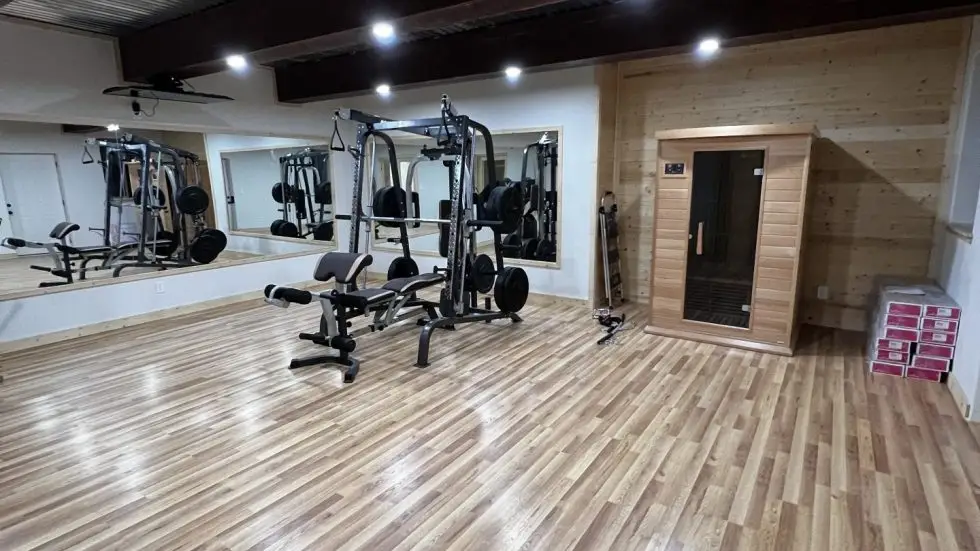
Home gym flooring is made for workout areas at home. It feels softer and more stylish than garage flooring. It is best for relaxing and flexible workout activities. It’s very helpful for light strength training exercises. Home gym floors are made for a cozy workout space. They help cut down on noise. These floors also protect your floor from getting scratched, damaged by sweat and hurt by exercise equipment. Lots of people like to use foam tiles, rubber mats or vinyl flooring for the gym in their house. This is because these things are not hard to put in and they feel nice when you are working out every day.
Benefits of Home Gym Flooring
- Soft and comfortable surface
- Better noise reduction
- Stylish and modern appearance
- Protects indoor flooring
- Easy to clean and maintain
- Perfect for light and medium workouts
What Is Garage Gym Flooring?
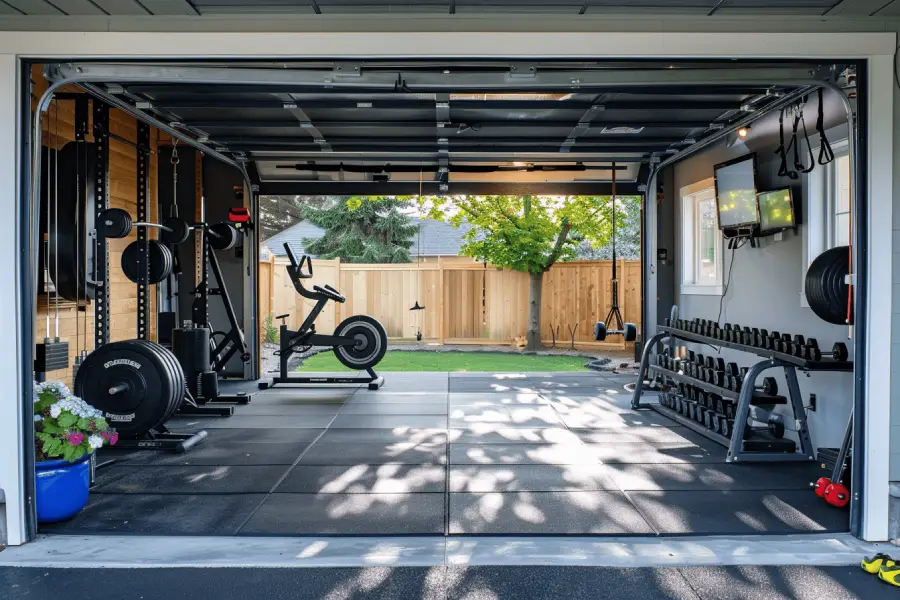
Garage gym flooring is created for heavier workout setups. It is built with powerful workouts and machines. Garages have substantial floors, and that is hard on your body when you are working out. The floor is not comfortable at all. Garage gym flooring helps a lot. It protects the floor. It also helps with shock absorption. This makes doing workouts in the garage a lot safer and easier. This flooring is really thick and good for the environment. It is better at dealing with moisture and dust. It can handle temperature changes, which makes it perfect for garage spaces.
Benefits of Garage Gym Flooring
- Strong and long-lasting material
- Handles heavy gym equipment easily
- Great for weightlifting and intense workouts
- Better protection for concrete floors
- Slip-resistant and safer for training
- Moisture and impact resistant
Best Flooring Materials for Home Gyms
Foam Tiles
If you talk about foam tile, it is very soft, light weight and pocket friendly. It is perfect for yoga, and kids’ exercise areas. They are very easy to install because they connect like puzzle pieces. Foam flooring is not the choice for heavy equipment. This is because foam flooring can get damaged when it has to support much weight.
Rubber Flooring
Rubber flooring for home gyms saves your floor and ears. It provides a strong grip for safe movement. Heavy weights? No problem. They come in puzzle tiles or big rolls. They are thick for lifting, thin for yoga. If you install it once, you can enjoy it for years.
Vinyl Flooring
You can turn your room into a gym with vinyl flooring for a home gym. It’s user-friendly flooring with fast installation.There are no loud steps, no stains from sweat. It’s thin, so doors won’t get stuck. You can clean it with a mop in 1 minute.
Best Flooring Materials for Garage Gyms
Rubber Rolls
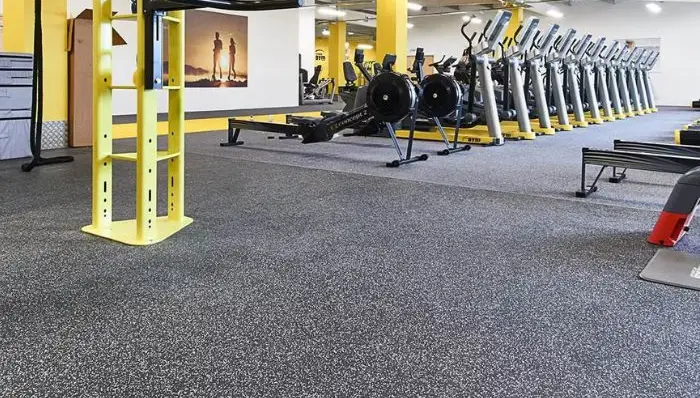
Rubber rolls make your garage gym quiet and safe. They’re thick, bouncy, and stop tiles from breaking. You can just roll it, stick it, and then start lifting. In which there are no puzzle pieces and no mess. They look clean, feel great, and last for years.
Rubber Tiles
Rubber tiles for garage flooring make your workout space clean and quiet. No more cold concrete or slipping. Each tile is strong, so weights won’t hurt the floor. You can install it yourself in minutes. These gym flooring tiles are perfect for garage gyms because they handle heavy pressure very well.
Horse Stall Mats
Many fitness lovers use horse stall mats in garage gyms because they are affordable and extremely durable. It can turn your garage into a real gym. Each mat is thick rubber that protects concrete from heavy drops. The smell goes away in days.
Which Flooring Is Better for Heavy Workouts?
Garage gym flooring is the better option for heavy workouts because it offers more strong support and long life. Heavy weights can really hurt floors fast. Garage floors made from rubber tiles and rubber rolls are great because they absorb shocks well. This helps protect both your equipment and the floor. If your workouts include heavy exercises like deadlifts and squat, garage gym flooring is highly recommended for that.
Which Flooring Is Better for Comfort?
Home gym flooring feels soft and is good for daily exercise. Foam tiles and soft rubber flooring are really great for exercise. They make it feel more relaxing. You can do yoga on them. Foam tiles and soft rubber flooring are also very good for body stretching. They are ideal for meditation exercises. If comfort and look matter, choose home gym flooring.
Simple to Clean and Maintain
Both floors are easy to clean, but rubber flooring needs less work. Rubber rolls mean no lines for dirt to hide in. Rubber tiles mean if one gets dirty, clean or swap just that piece. There is no carpet smell, no wood polish. Your home gym looks new even after crazy workouts. Foam flooring requires a little more care because sharp objects can damage the surface easily.
Price Comparison
Home gym flooring is pretty cheap. This is because it is made for workouts and small areas. Garage gym flooring is more expensive. It is made with strong materials. This makes it cost more.
Average Prices
- Foam tiles: Cost-friendly option
- Rubber mats: Medium price range
- Rubber rolls: Best quality but costly
- Horse stall mats: Cheap and strong option
But cost changes with fabric type, size, and strength.
Main Difference Between Home Gym and Garage Gym Flooring
| Feature | Home Gym Flooring | Garage Gym Flooring |
| Best For | Light exercise | Heavy exercise |
| Comfort Level | Soft and comfortable | Strong and firm |
| Durability | Medium durability | High durability |
| Noise Control | Better noise reduction | Less noise control |
| Flooring Material | Foam, vinyl, soft rubber | Thick rubber, rubber rolls |
| Weight Support | Good for light equipment | Best for heavy gym machines |
| Style | More stylish and modern | More practical and strong |
| Moisture Resistance | Medium | High |
| Installation | Easy and quick | Slightly heavy but durable |
| Price Range | More budget-friendly | Slightly expensive |
How to Choose the Correct Gym Flooring
Before buying, check these important things:
Workout Type
Don’t use the same floor for everything. Heavy barbells need hard, strong rubber to stay safe. Yoga and cardio need soft mats that feel good. Think about your workout first, then pick the floor.
Room Location
Indoor rooms usually work better with home gym flooring. Garage needs hard and wet-resistant flooring.
Budget
Foam flooring is cheap and saves money, but rubber flooring costs more and is expensive
Comfort Level
If you want soft and quiet flooring, home gym flooring is the best option.
Final words
The right floor depends on the exercise type and space. Whether you are looking for a floor for home gym flooring or you are looking for a floor for a garage gym, both options provide you many advantages. Home gym is great for comfort, style, and light workouts inside the house. While a garage floor is perfect for heavy workouts that are built for serious training and heavy equipment. Before making the final decision, first look at your exercise routine, budget, and flooring needs, and then buy the floors. Right flooring saves your floor and gives a better daily workout.